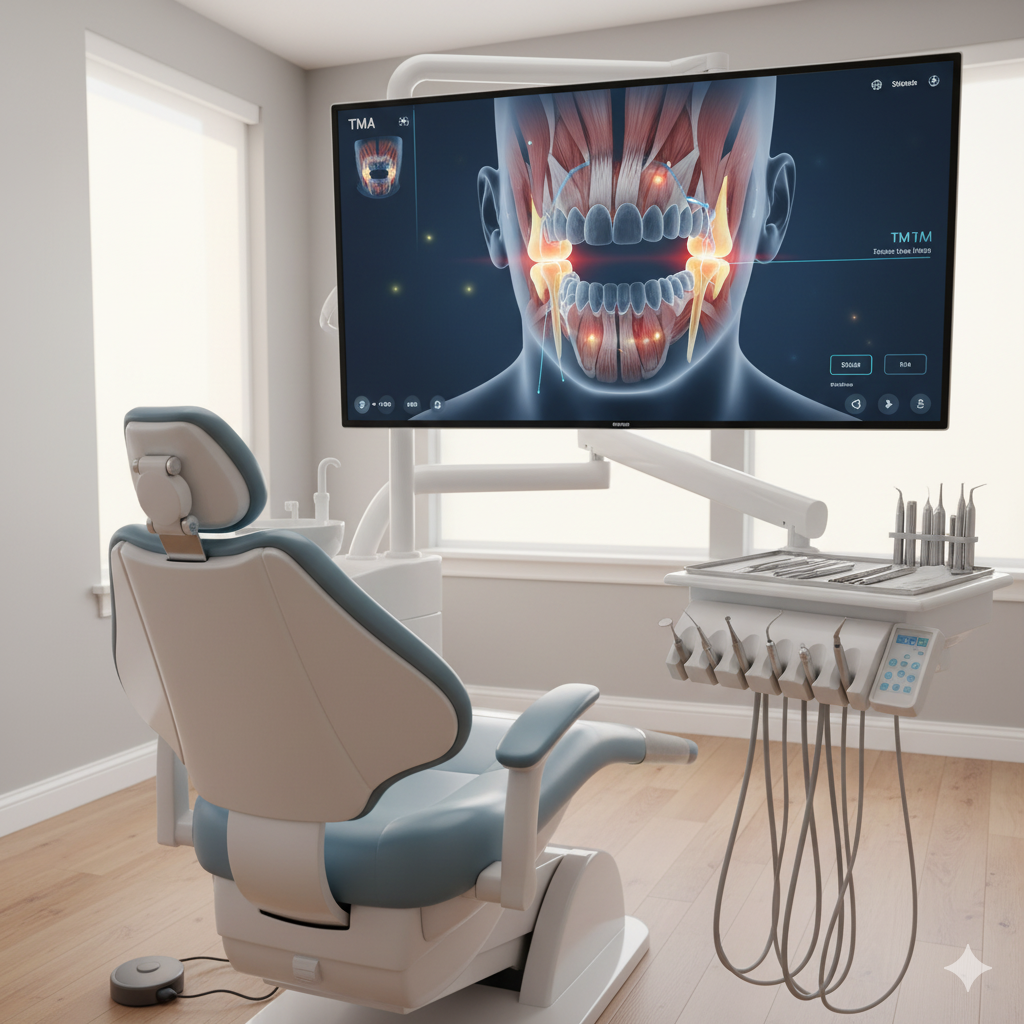
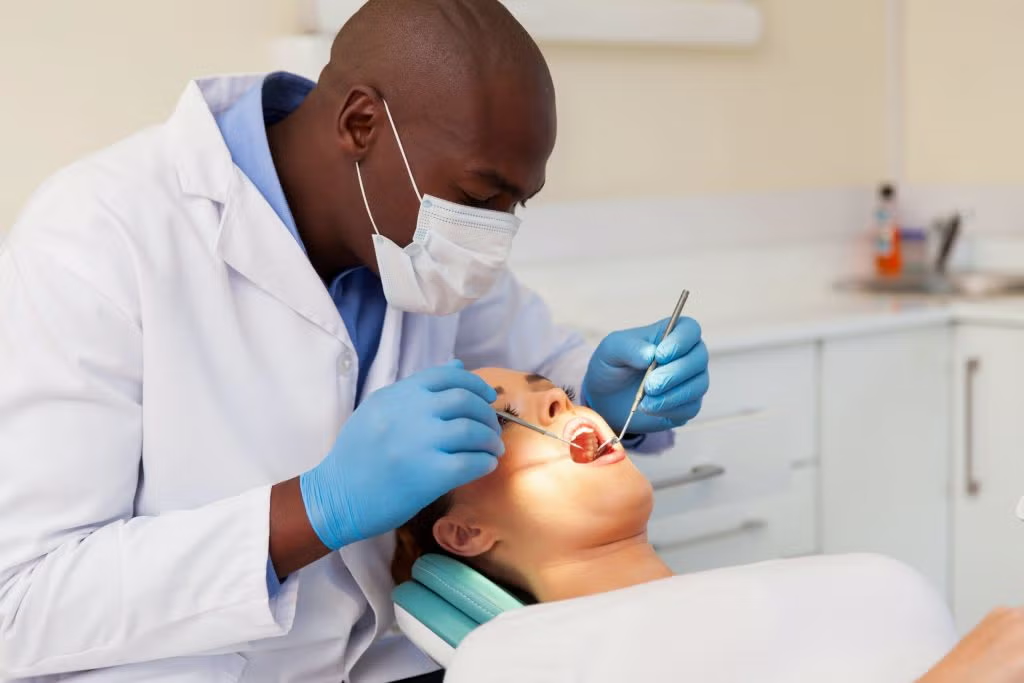
If you have discomfort, soreness, or clicking when you chew, it may be a TMJ disorder. So for someone who has any symptoms regarding TMJ, TMJ therapy would just be restoring comfort in the jaws, while still maintaining the function and preventing any possible future troubles.
The TMJ forms a hinge that connects the mandible-the lower jaw-with the skull. When such joints are stressed, inflamed, or misaligned, discomfort develops along with involvement of surrounding muscles, affecting simple activities like chewing, talking, and sleep. Prompt evaluation and treatment alleviate symptoms while protecting the health of the mouth overall.
Symptoms Commonly Seen in the Need for TMJ Treatment
Here these are any of the signs prompting dental TMJ treatment Alpharetta:
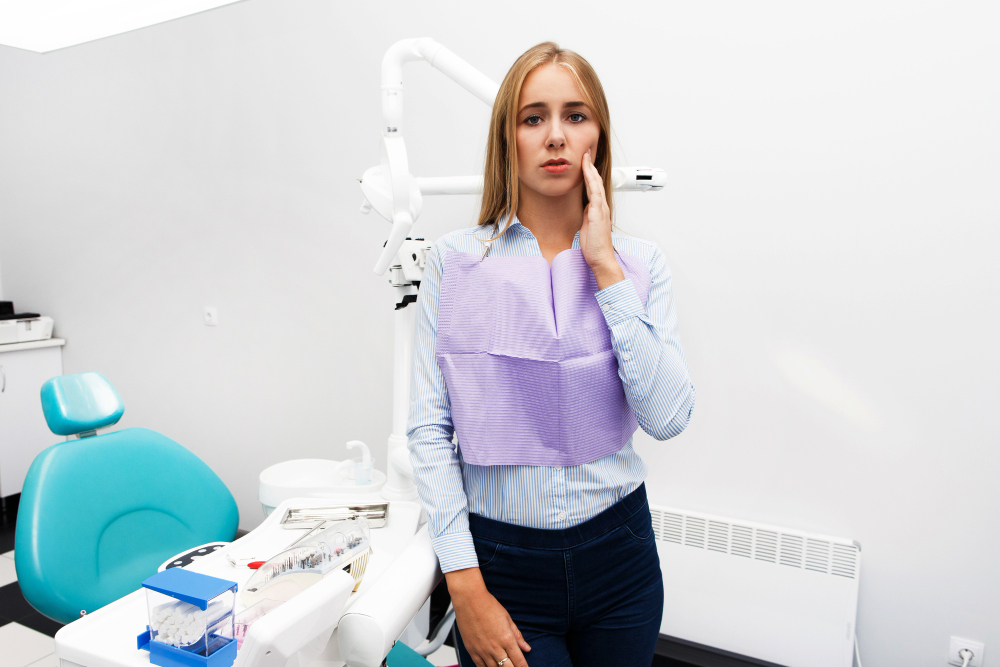
– jaw ache or tenderness
– a clicking, popping, or grinding noise with movement of the jaw
– inability to move the mouth inward or outward
– jaw lock
– Frequent headaches
– Ear pain or fullness
– Pain in fascia muscles of the face
– Pain while chewing Most of these symptoms come from either grinding, clenching, or stress, arthritis, bite misalignment, or trauma.
What Are Causes of TMJ Disorder?
The following causal components are the causative agents for the TMJ disorder:
1. Stress, which translates, into teeth grinding or clenching.
2. Unequal bite or unaligned teeth.
3. Jaw or joint injury.
4. TMJ arthritis.
5. Overwork of muscles of the jaw.
6. Poor posture stressing neck and jaw muscles.
Identifying the cause could help your dentist create a special treatment.
TMJ Treatment in Alpharetta
Many of the TMJ disorders can be treated effectively using comprehensive nonsurgical treatment programs. This is one form of a personalized patient program:
1. Night Guards or Oral Splints
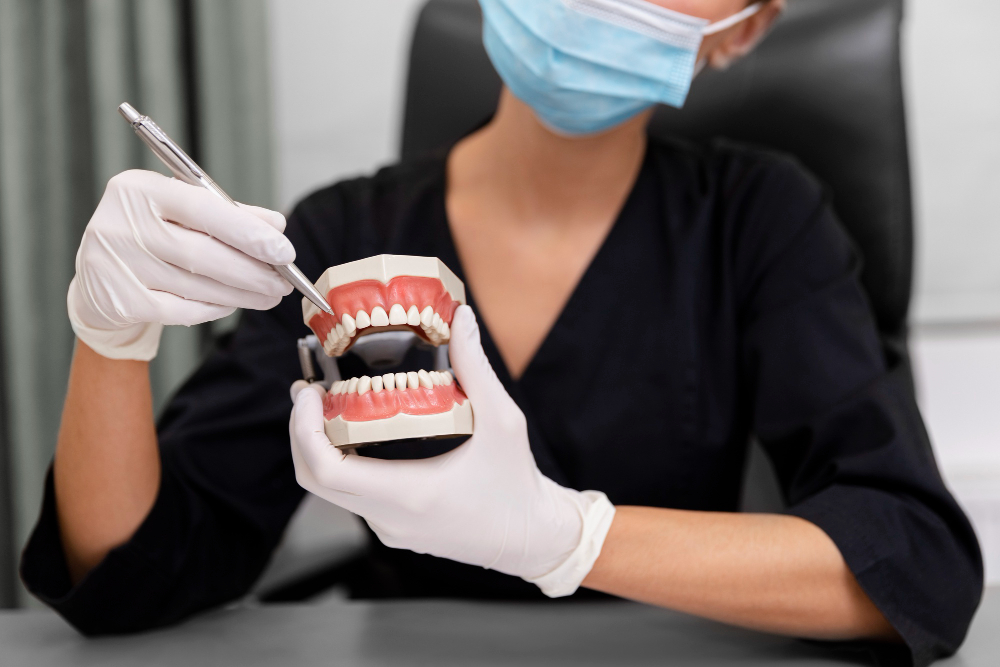
These are the custom-made appliances that can prevent excessive clenching, protect the teeth, and relieve the loads on the TMJ.
2. There might be Medicines for Pain and Inflammation
Non-steroidal anti-inflammatory agents or muscle relaxants could relieve the joint and muscle pain.
3. Lifestyle and Habit Modifications
In this case, your dentist could suggest avoiding chewing gum, foods that require too much chewing, as well as upright position and awareness of clenching on the part of the patient.
4. Jaw Therapy and Physical Therapy Gentle stretching and strengthening exercises which would help improve mobility and relieve muscle tightness.
5. Stress and Relaxation Management
Since stress is often a risk factor for clenching, relaxation techniques will reduce symptoms remarkably.
6. Further Treatments
Joint injections and, if indicated, surgical procedures may be options in more severe cases, but these will be considered as a last resort.
Why TMJ Treatment Alpharetta?
TMJ Specialists in Alpharetta understand that every patient has unique symptoms for which they need individualized evaluations.
Last but not least, TMJ treatment in addition to some simple self-care methods at home for TMJ pain relief is as follows:
A warm compress to relax the muscles.
Cold packs on an attack or for acute pain.
Softer types of foods; no chewing gums.
Correct posture is essential.
Exercises for jaw relaxation.
Restrict a bit on huge yawns or wide openings of your jaw.
These little habits might go a long way in improving comfort over time.
Conclusion: Often TMJ pain may restrict you in daily activities; however, with a well-focused approach, it can be eliminated. TMJ treatment Alpharetta guarantees expert advice, diagnosis, and customized solutions to that condition. The sooner treatment starts, the better the movement of the jaw may achieve pain relief and the patient’s return to normal, more comfortable daily activities.